
The Lived Kaleidoscope
About
Lived experience can be one of the most powerful elements within wellbeing, burnout recovery, trauma-informed mental unwellnes, practice, and creative workshops because it brings authenticity, empathy, and human understanding that cannot always be learned through theory alone.
Posts
Meet Jen
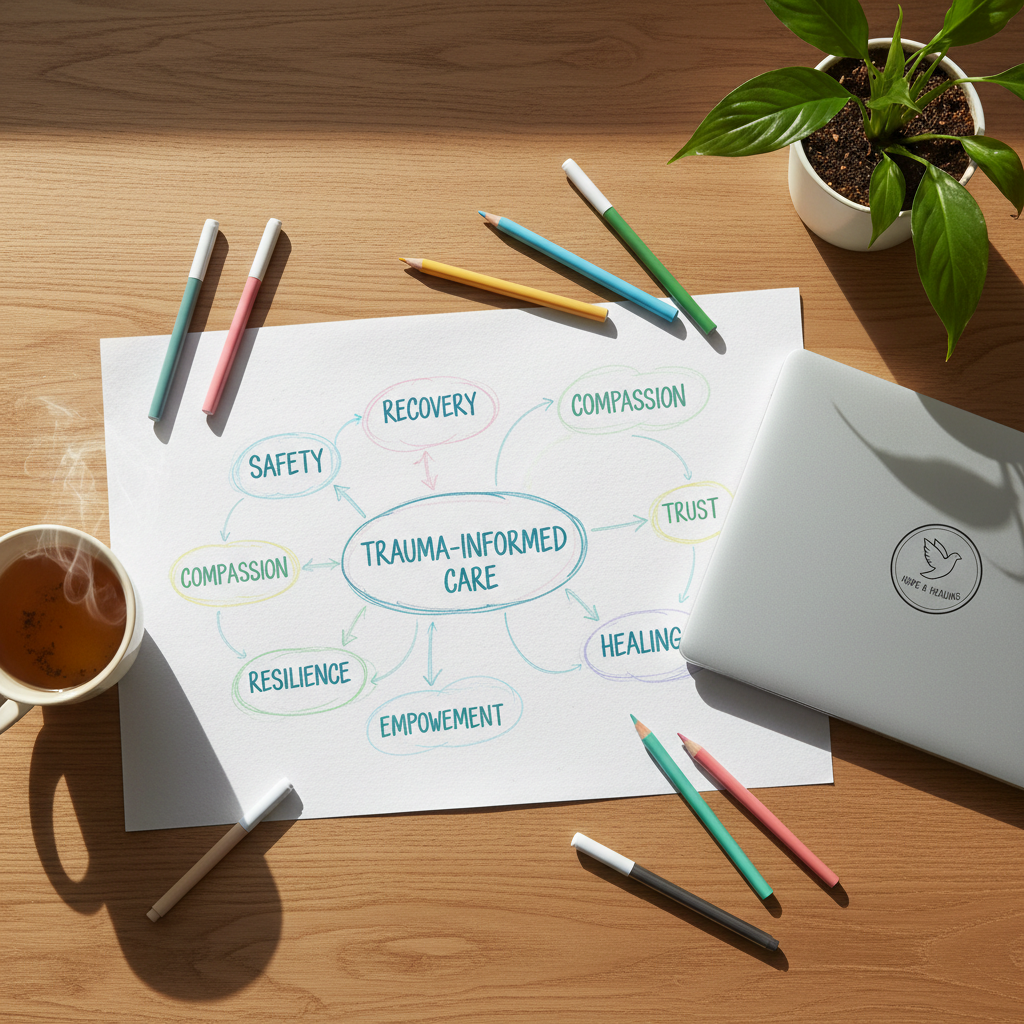
Jen is a trauma survivor, former nurse, charity leader, award-winning inspirational woman, and author who turns lived experience into practical tools for understanding distress, recovery, and compassionate support.Here’s a polished version you could use for your website, artist bio, social media, or promotional material:
My work is deeply personal and rooted in emotion, healing, colour, and expression. Through vibrant abstract art, I capture feelings that words alone cannot always explain. Every piece I create tells part of my journey from pain and survival to joy, freedom, and rediscovering life. Colour became my voice, and art became a way to express emotions that once had nowhere to go.
Alongside my artwork, I also write memoirs, children’s books, poems, and workshops inspired by lived experience. As a trauma survivor, writing children’s books holds special meaning for me. Through adventure, imagination, fun, and emotional expression, I explore the importance of allowing children to truly be children something I was never taught growing up. My stories encourage curiosity, playfulness, emotional understanding, and the freedom to feel deeply without shame.
My poems are another reflection of my healing journey and my growing love for life. They speak of resilience, hope, emotion, and the beauty that can still exist after hardship. Each poem carries pieces of truth, vulnerability, and strength.
The workshops I create, especially the writing-based ones, come from lived experiences and a passion for helping others understand different perspectives and emotional journeys. They are spaces for reflection, creativity, understanding, and connection encouraging people to explore experiences with compassion and openness.
My art, books, poems, and workshops are all part of one purpose: to connect, heal, inspire, and remind others that expression matters.
I would love you to join me on this journey.

Workshops
Using clay to help your organisation with staff burnout
1. Clay slows the nervous system down
Working with clay is physical, repetitive, grounding, and sensory. Rolling, shaping, pressing, and smoothing clay encourages people to move out of constant mental overload and back into their bodies.
For staff who are emotionally exhausted, overwhelmed, or constantly “on alert,” clay can:
- reduce stress responses
- improve focus and mindfulness
- create moments of calm
- help release tension physically
The tactile nature of clay can feel especially regulating for people who struggle to switch off mentally.
2. It gives people a non-verbal way to express emotions
Burnout often leaves people disconnected from their feelings or unable to describe them clearly. Clay allows expression without needing the “right words.”
People may create:
- pressure and cracks that mirror stress
- protective shapes
- symbols of exhaustion or hope
- abstract forms representing emotions
This can feel safer than direct discussion, especially in workplaces where staff are used to masking distress.
3. There is no “perfect outcome”
Many staff work in environments driven by targets, performance, responsibility, or emotional labour. Clay naturally pushes back against perfectionism.
Clay:
- collapses
- changes shape
- cracks
- can be rebuilt
That process itself becomes therapeutic. It quietly teaches:
- flexibility
- self-compassion
- acceptance of mistakes
- creative problem-solving
4. It reconnects people with play and creativity
Burnout narrows people into survival mode. Creative work reawakens curiosity, imagination, humour, and identity outside of work roles.
Many adults haven’t created anything with their hands in years. The experience can help them rediscover:
- confidence
- enjoyment
- personal expression
- a sense of achievement
5. Shared creativity builds connection
Burnout is often isolating. Clay workshops create relaxed, human interaction without pressure.
People often begin talking naturally while creating. Teams can experience:
- improved empathy
- reduced hierarchy
- mutual support
- psychological safety
Sometimes the most healing part is simply sitting beside others and creating together.
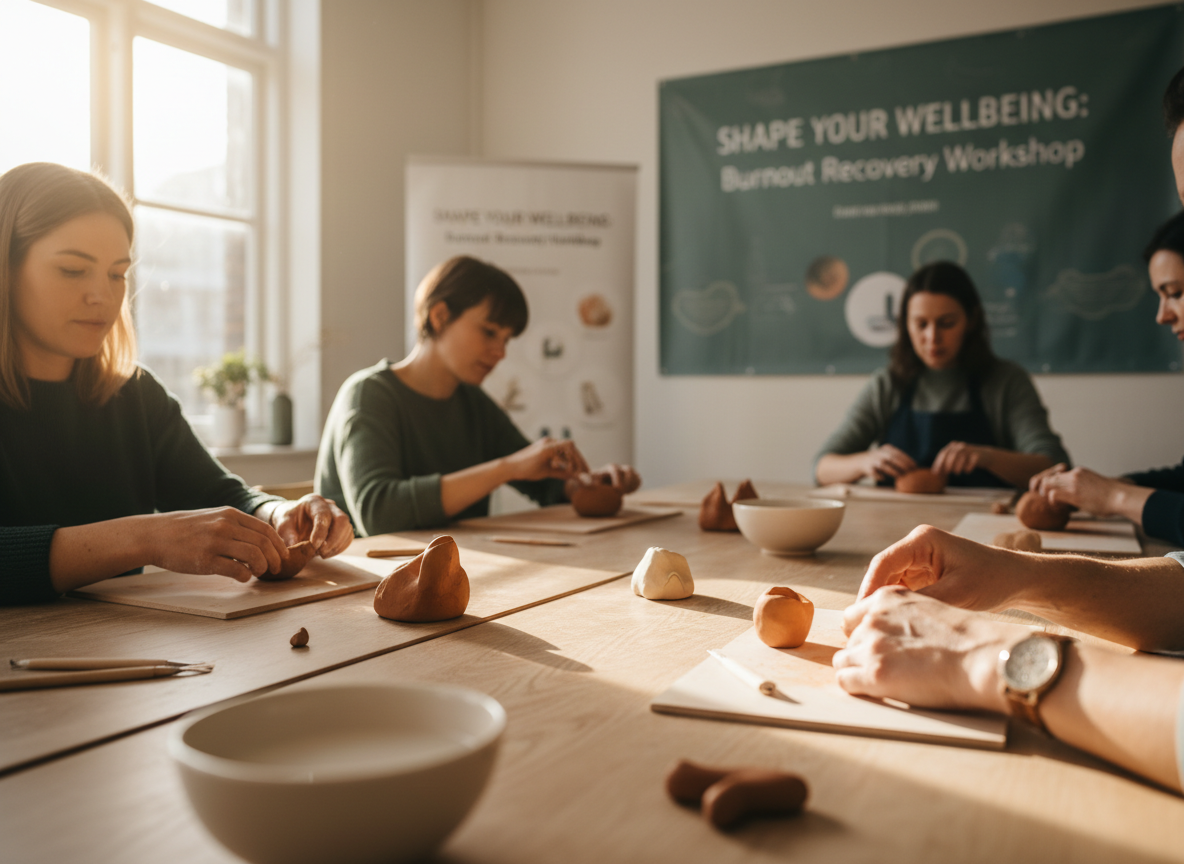
Creative arts sessions use writing, collage, and gentle movement so survivors can explore emotions, rebuild narratives, and reconnect with hope.
Testimonials
Hope D.
Jen’s openness about her own trauma helped our team rethink policies and bring genuine kindness into everyday mental health practice.
Hope D.
The workshop transformed clinical jargon into human stories, making trauma-informed care finally click for staff across our charity.
Hope D.
As a survivor, I felt seen, not studied. The creative exercises gave me language for experiences I’d carried silently for years.
Hope D.
Jen bridges professional insight with lived experience, modelling the kind of compassionate leadership every mental health organisation urgently needs.
Stories


Newsletter
Receive new stories, event dates, and trauma-informed resources monthly email
 The Lived Kaleidoscope